Choosing the right publisher is one of the most important decisions an author makes. Whether you have written a Hindi poetry collection, a novel, a motivational book, a spiritual manuscript, a biography or a non-fiction title, the publisher you choose can influence your book’s editing, design, printing, distribution, marketing and overall publishing experience.
So, which publisher is best in India? The answer depends on your manuscript, budget, publishing goals and the level of control you want over your book. A well-known traditional publisher may be suitable for an author seeking a selective editorial publishing opportunity. A self-publishing service may suit a writer who wants greater control over production, timelines and investment. A regional-language publishing house may be a better fit for an author whose primary audience reads Hindi or another Indian language.
In this guide, we explain the major types of book publishers in India, compare popular publishing routes, discuss what new authors should check before signing an agreement, and explain how to choose a publishing partner for your book.
Looking for a publishing partner for your manuscript? Visit Swarnim Sahitya Publishing House to explore its publishing services and learn more about publishing your book.
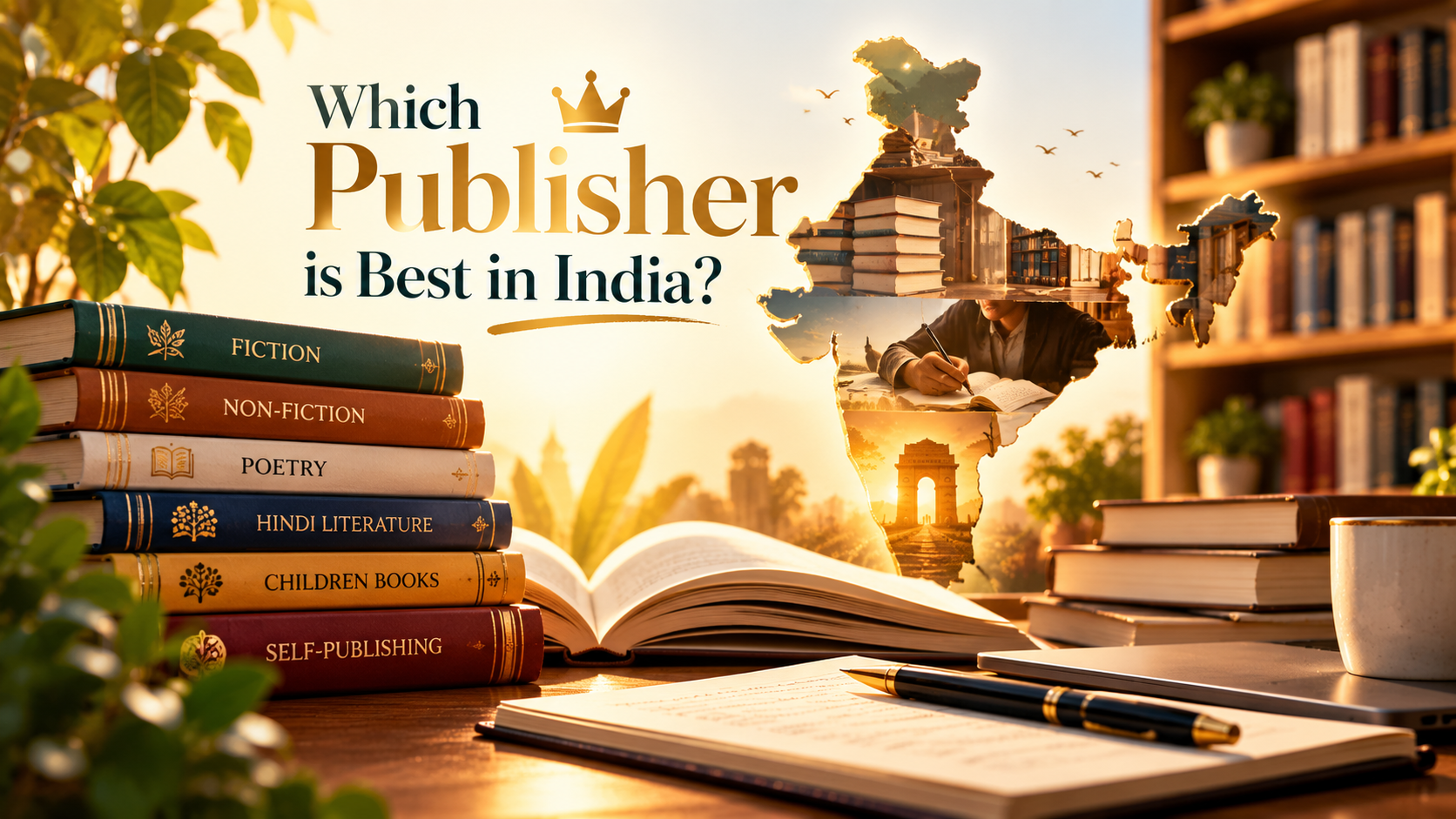
[IMAGE 1 — MAIN FEATURED IMAGE GOES HERE]
Quick Answer: Which Publisher Is Best in India?
There is no single publisher that is best for every author. The most suitable choice depends on what you want from the publishing process.
For selective traditional publishing: Explore established publishers such as Penguin Random House India and review the relevant submission guidelines before sending your manuscript.
For children's books: Research publishers that specifically publish children's literature and check whether they are accepting submissions in your genre.
For independent publishing and greater author control: Compare self-publishing platforms, service packages, distribution options and contract terms.
For Hindi poetry, novels and regional-language writing: Look for a publisher that understands your language, readership, literary genre and intended market.
For authors who need publishing assistance: Compare the available services for editing, proofreading, cover design, typesetting, ISBN, printing, distribution and promotion.
The best book publisher in India is not necessarily the biggest or most famous name. It is the publishing partner whose model, services, terms and experience align with your book and your goals.
1. Understand the Different Types of Book Publishers in India
Before comparing publishing houses, understand the three broad publishing routes available to authors: traditional publishing, self-publishing and assisted or hybrid publishing. These models differ in cost, editorial selection, author control and responsibilities.
A. Traditional Publishing
In traditional publishing, a publishing house evaluates manuscripts and selects titles that fit its editorial programme. When a manuscript is accepted under a conventional publishing agreement, the publisher generally manages and funds agreed production activities. The exact arrangement, including editing, printing, distribution, rights and royalties, depends on the contract.
Traditional publishing can be suitable for authors who want an established editorial team and access to a publisher’s existing trade network. However, acceptance is selective, and submitting a manuscript does not guarantee publication.
For example, Penguin Random House India’s official submission page explains what authors should submit for consideration. Its publishing FAQs also explain its evaluation process and the importance of editorial suitability.
Best suited for: Authors prepared to submit their work for editorial consideration and wait for a publishing decision.
B. Self-Publishing
Self-publishing allows authors to bring their books to market without relying on a traditional publisher to select the manuscript. Depending on the platform and service package, authors may manage the process themselves or purchase professional assistance for editing, cover design, formatting, printing and distribution.
Self-publishing can provide greater control over the book’s content, appearance, schedule and publishing decisions. However, authors should carefully review the costs, rights, royalty calculations, distribution coverage and services included in any agreement.
One option for digital publishing is Amazon Kindle Direct Publishing, Amazon’s self-publishing platform. Authors should check the current terms, eligibility, royalty rules and format-specific requirements directly on its official website.
Best suited for: Authors who want greater control over the publishing process and are comfortable managing or funding the services their book requires.
C. Assisted or Hybrid Publishing
In assisted or hybrid publishing, an author may pay for an agreed set of professional publishing services. Depending on the provider, these services may include manuscript preparation, cover design, typesetting, ISBN assistance, printing, book listings or marketing support.
Not every paid publishing service offers the same value. Before paying, ask for a written list of deliverables, a clear price breakdown, realistic distribution details, royalty terms and information about who controls the publishing rights.
Best suited for: Authors who want professional assistance with specific publishing tasks and understand the costs and responsibilities involved.
2. Some Established Book Publishers and Publishing Platforms to Research
Authors searching for the best book publishing company in India should compare publishers according to genre, submission requirements and publishing model. The names below are starting points for research, not a universal ranking. Their suitability will depend on your manuscript and the publisher’s current requirements.
1. Penguin Random House India
Penguin Random House India is an established trade publisher with books across fiction, non-fiction, children’s literature and other general-interest categories.
Authors interested in submitting a manuscript should read the publisher’s official submission guidelines and identify the appropriate publishing division. Submission requirements can vary by division and category.
Consider it if: Your manuscript fits the publisher’s list and you are prepared for a selective editorial evaluation.
2. HarperCollins India
HarperCollins India is another established name authors may research when exploring traditional book publishing. Before submitting, locate the current official author-submission guidance and confirm which genres and formats are being considered.
Consider it if: Your book matches the publisher’s editorial interests and the submission route is appropriate for your manuscript.
3. Hachette India
Hachette India publishes trade books in selected categories. Its official submission guidelines explain the requirements for different publishing divisions. Its submission policy should be checked carefully before sending a proposal because routes can differ by category.
Consider it if: Your manuscript fits a relevant division and you meet that division’s submission requirements.
4. Amazon Kindle Direct Publishing
Kindle Direct Publishing (KDP) is a self-publishing platform rather than a conventional publishing house that selects every manuscript. It enables eligible authors to publish eBooks and certain print formats, subject to its current rules and availability.
Authors should understand that a platform listing does not automatically provide professional editing, literary representation, a guaranteed marketing campaign or placement in every bookstore.
Consider it if: You want to manage a self-publishing route and have reviewed the platform’s terms and production requirements.
5. Swarnim Sahitya Publishing House
Swarnim Sahitya Publishing House, based in Bareilly, Uttar Pradesh, is a publishing option for authors exploring book publishing services in India, particularly those working in Hindi literature, poetry and novels.
Authors should review the available publishing plans and confirm which services are included in the particular plan they are considering. Depending on the selected package and written agreement, the relevant questions may include manuscript preparation, cover design, formatting, ISBN arrangements, paperback or hardcover production, distribution and promotional support.
For authors who want to publish a Hindi poetry collection, a novel or another literary manuscript, it can be useful to discuss the book’s language, length, intended readership, format and budget before selecting a publishing route.
Explore: Visit the official Swarnim Sahitya website to learn about the publishing house and its available services.
As with any publisher or publishing service, authors should request the current plan details, written deliverables, payment terms, royalty conditions, rights information and distribution arrangements before making a decision.
3. Comparison: Which Publishing Route Is Right for You?
The following table compares broad publishing models rather than making unsupported claims about which company is the best.
No publishing model guarantees high book sales. A book’s performance also depends on its content, audience, pricing, presentation, discoverability, distribution and promotional work.
[IMAGE 2 — PUBLISHING PROCESS / COMPARISON INFOGRAPHIC GOES HERE]
4. Which Is the Best Book Publisher in India for New Authors?
First-time authors often search for publishers accepting new authors in India because they are unsure how to approach the publishing industry. The right approach is to prepare a strong manuscript and identify publishers whose lists match the book.
If you want traditional publishing, check each publisher’s current submission policy. Prepare the materials it requests, which may include:
A short author biography.
A clear synopsis of the book.
Sample chapters or the complete manuscript, as requested.
A description of the target readership.
Comparable titles, where relevant.
Your contact details and a brief explanation of the book’s appeal.
For example, Penguin Random House India’s submission page lists materials authors should provide. Always follow the latest instructions for the specific division you are approaching.
If you want a service-based publishing route, ask for a detailed proposal before paying. Confirm what work will be performed, what the author must supply, which formats will be produced and what happens if either party wishes to end the agreement.
5. How to Choose the Best Hindi Book Publishing House in India
Hindi authors may have different needs from writers publishing primarily for English-language markets. A Hindi poetry collection, ghazal compilation, short-story book, novel, memoir or spiritual work requires careful attention to language, typography, proofreading and its intended readers.
When comparing a Hindi book publishing house in India, consider the following points.
Language and Editorial Understanding
Ask whether the team can handle Hindi text accurately, including Devanagari typography, matras, punctuation, line breaks, poetic formatting and the conventions of your genre. For poetry, formatting matters because line breaks and spacing can affect how the work is read.
Cover Design and Interior Formatting
Request examples of relevant published work or design samples. Check that the cover communicates the book’s genre and audience, and that the interior layout remains readable in the intended print size.
Print Formats
If you want paperback and hardcover editions, confirm whether both are available, whether separate ISBNs are required for the distinct editions and how the formats will be listed and distributed. Do not assume that every package includes every format.
Distribution and Discoverability
Ask where readers will be able to find the book. Clarify whether the service covers online listings, print-on-demand, physical distribution, direct sales or other channels. A book being listed on one platform does not mean it will automatically be stocked in every bookstore.
Author Support
Find out who will coordinate your project, how proofs and corrections will be handled, what the expected timeline is and how you will receive updates.
Authors looking for a Hindi poetry or novel publishing partner can begin by visiting Swarnim Sahitya’s official website and enquiring about the current options suitable for their manuscript.
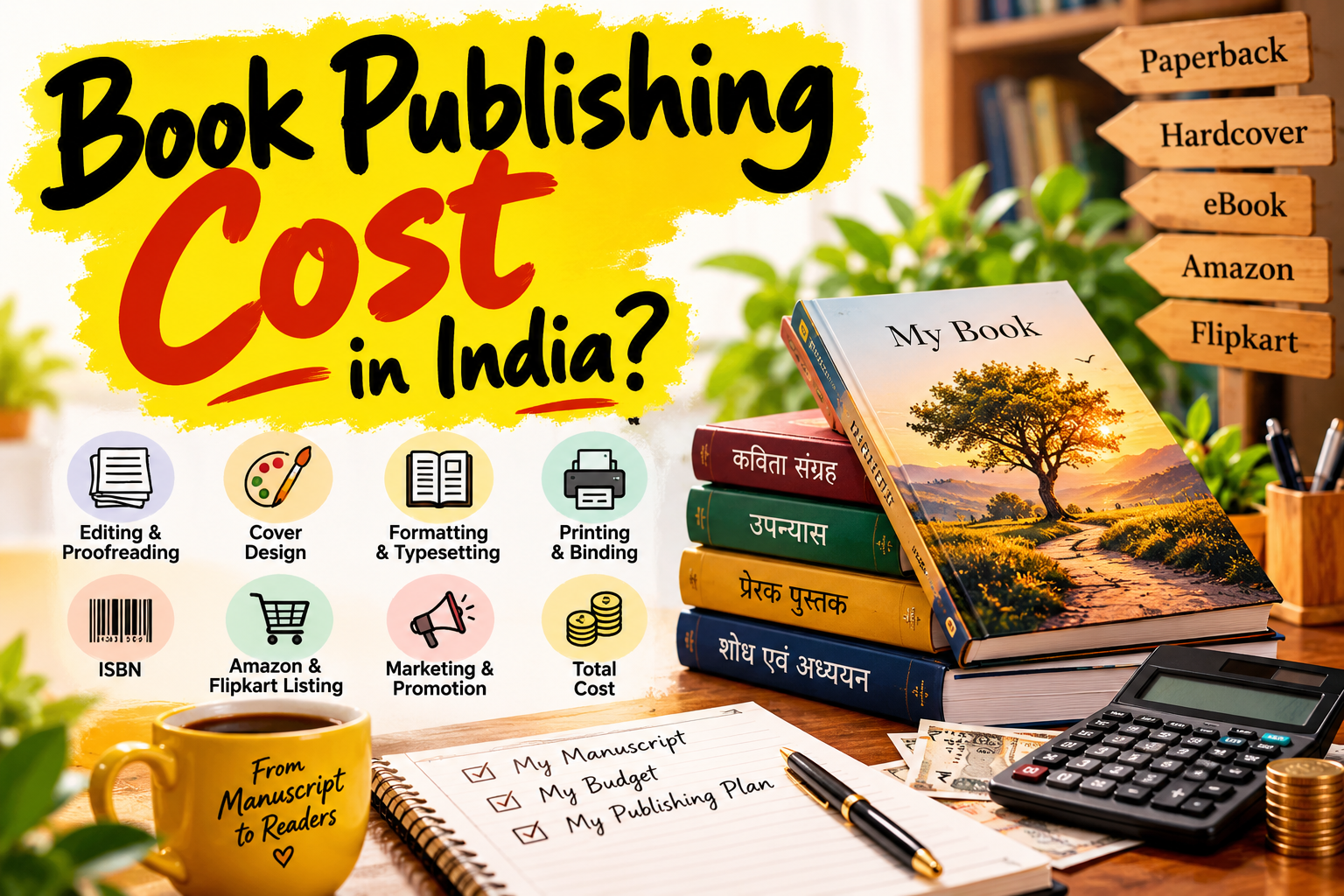
6. How Much Does It Cost to Publish a Book in India?
The cost of publishing a book in India varies significantly. There is no reliable single price for every book because the total depends on the manuscript’s condition, word count, page count, print specifications, number of copies, cover design, editing requirements and selected publishing model.
Traditional publishing generally works differently from author-funded publishing services. Under a conventional agreement, the publisher usually bears agreed production costs. In self-publishing or assisted publishing, authors may pay separately for the services they choose.
Potential cost components include:
Editing and proofreading: Language correction, consistency and manuscript preparation.
Cover design: Front cover, back cover and spine design where applicable.
Typesetting and formatting: Interior layout for print or digital formats.
ISBN and metadata: ISBN arrangements, title information and book metadata, according to the publishing setup.
Printing: Paper, trim size, binding, colour pages and quantity.
Distribution: Listing, fulfilment or distribution services, depending on the agreement.
Marketing: Promotional materials, advertising, launch activities and other optional services.
For a more detailed explanation of the factors that affect a book’s publishing budget, read our guide: How Much Will It Cost to Publish a Book in India?
Before choosing a package, compare the complete cost and the services included rather than comparing headline prices alone. Ask whether taxes, extra corrections, additional copies, shipping, marketing and future reprints are included or charged separately.
7. What Should Authors Check Before Signing a Publishing Agreement?
Whether you choose a large publishing house or an independent publishing service, a written agreement is essential. Read it carefully and ask for clarification wherever a term is unclear.
Copyright: Who owns the copyright, and which rights are being licensed or transferred?
Publishing rights: Which formats, languages, territories and platforms are covered?
Royalties: How are royalties calculated, what deductions apply and when are statements and payments issued?
ISBN: Who arranges the ISBN and how will the edition’s bibliographic information be recorded?
Production: Which editing, design, formatting and printing services are included?
Distribution: Which specific channels are covered, and is availability guaranteed or conditional?
Marketing: Which promotional activities will actually be delivered, and on what schedule?
Author copies: How many copies are included, and what is the price of additional copies?
Term and termination: How long does the agreement last, and what happens to rights and unsold inventory if it ends?
Sales reporting: How can the author verify sales, returns, deductions and royalty calculations?
Be cautious of guaranteed bestseller promises, vague claims of worldwide distribution, unclear royalty calculations or pressure to pay immediately. Request written evidence of promised services and take independent legal advice if you do not understand the contract.
8. How to Prepare Your Manuscript Before Approaching a Publisher
A well-prepared manuscript makes it easier to evaluate whether your book is ready for publication. The exact preparation depends on your genre, but the following checklist is useful for many authors.
Complete the manuscript: Review the structure and ensure the book has a clear beginning, middle and conclusion.
Proofread carefully: Correct spelling, grammar, punctuation and formatting issues.
Identify the audience: Describe the readers most likely to benefit from or enjoy the book.
Write a concise synopsis: Explain the main idea, storyline or central argument.
Prepare an author bio: Include relevant background, publications and experience without exaggeration.
Research comparable books: Understand how similar titles are presented and who reads them.
Choose your publishing model: Decide whether you want to pursue traditional publishing, self-publishing or paid professional assistance.
Keep records: Maintain copies of your manuscript, correspondence, agreements, invoices and final proofs.
If you are publishing poetry, pay particular attention to the presentation of each poem. If you are publishing a novel, focus on structure, pacing and consistency. For non-fiction, make sure claims are properly supported and any necessary permissions have been obtained.
9. Why Consider Swarnim Sahitya for Your Book Publishing Journey?
Every author’s publishing journey is different. Some writers want to approach a traditional publisher and wait for an editorial decision. Others want to explore a service-based route that gives them a clearer view of production choices, costs and the steps involved in bringing a book to readers.
Swarnim Sahitya Publishing House, based in Bareilly, Uttar Pradesh, is an option for writers researching book publishing services in India, including authors working in Hindi poetry, novels and literary writing.
When considering Swarnim Sahitya, authors should discuss their manuscript and intended outcome before selecting a plan. Ask which services are available for your book and request written confirmation of the package, timeline, payment terms and rights arrangements.
Useful questions to ask include:
Which publishing plan is appropriate for my manuscript?
What editing, proofreading, cover design and formatting services are included?
What are the available paperback, hardcover and eBook options?
How are ISBN arrangements handled for each edition?
Where will my book be listed or distributed?
Which marketing or promotional services are included, if any?
What are the total costs, payment milestones and royalty terms?
How will I review and approve the final book before publication?
The answers will help you decide whether the service meets your needs. Compare the written proposal with your goals and budget before making a commitment.
To explore the available options, visit Swarnim Sahitya Publishing House.
10. A Simple Checklist for Choosing the Right Publisher
Before making your final decision, use this checklist to compare your shortlisted publishers.
Does the publisher work with my genre and language?
Is my manuscript eligible for its publishing model?
Are the costs and included services clearly documented?
Do I understand the copyright and publishing-rights terms?
Are royalty calculations and payment schedules explained?
Can the publisher explain the actual distribution channels?
Are marketing promises specific and written into the agreement where appropriate?
Can I review the design and proof before publication?
Do the timeline and communication process meet my expectations?
Have I compared alternatives rather than choosing based only on a famous name or a low price?
The more clearly these questions are answered, the easier it becomes to make a confident and informed publishing decision.
Frequently Asked Questions About the Best Book Publishers in India
1. Which publisher is best in India for books?
There is no single best publisher for every book. The right choice depends on the manuscript’s genre, language, publishing goals, budget, editorial fit and desired level of author control. Compare traditional publishers, self-publishing platforms and assisted publishing services before deciding.
2. Which book publishers in India accept new authors?
Some publishers provide submission routes for selected genres and divisions, while others accept manuscripts only through specified channels. Start with the publisher’s official website and current submission guidelines. For example, Penguin Random House India’s submission page explains how authors can submit proposals to relevant divisions.
3. What is the best book publisher in India for new authors?
The best option depends on whether the author wants selective traditional publishing or a self-publishing or assisted publishing route. New authors should compare manuscript requirements, costs, services, rights, distribution and the amount of control they want over the book.
4. Which is the best Hindi book publishing house in India?
Look for a publisher with relevant experience in Hindi manuscripts, Devanagari typesetting, proofreading, cover design and the intended readership. Ask to see relevant examples of its work and confirm the exact services available for your manuscript.
5. How much does it cost to publish a book in India?
Costs vary according to the publishing model, manuscript condition, editing needs, design, page count, printing specifications, number of copies and distribution services. Request an itemised quotation and compare what each package actually includes.
6. Is self-publishing better than traditional publishing?
Neither model is automatically better for every author. Traditional publishing involves editorial selection and may provide production and distribution support under the agreement. Self-publishing can offer greater control but may require the author to manage or pay for production and promotion. Choose according to your priorities and resources.
7. Should I pay a publisher to publish my book?
That depends on the publishing model and the services offered. Some authors choose to pay for professional publishing assistance, while traditional publishing agreements commonly work differently. Before paying, verify the deliverables, costs, rights, royalties and distribution terms in writing.
8. Can I publish a poetry collection or novel in Hindi?
Yes. Hindi poetry collections, novels and other literary works can be published through suitable traditional publishers, self-publishing platforms or publishing-service providers. Choose a route that fits your manuscript, language, budget and publishing goals.
9. Does getting an ISBN guarantee that a book will sell?
No. An ISBN is an identifier used for a book edition; it does not guarantee sales, bookstore placement, marketing or distribution. Authors should verify how the book will be listed, made available and promoted.
10. How can I enquire about publishing with Swarnim Sahitya?
Visit swarnimsahitya.in to explore the publishing house and its available services. Before choosing a plan, share the relevant manuscript details and ask for the current package information, costs, deliverables and terms.
Conclusion: Choose a Publisher That Fits Your Book
Finding the best book publisher in India begins with understanding what your book needs. A famous name may be appropriate for one manuscript and unsuitable for another. The right decision requires more than comparing brand recognition: it requires examining the publishing model, editorial fit, production quality, costs, distribution, author rights and the support actually offered.
If you are a new author, a Hindi poet, a novelist or a writer preparing your first book, take time to compare your options and ask clear questions before signing an agreement. A well-informed publishing decision can help you prepare your manuscript professionally and build a realistic plan for reaching readers.
If you are exploring publishing services for your manuscript, visit Swarnim Sahitya Publishing House to learn more and enquire about the options available for your book.
[IMAGE 3 — FINAL CTA IMAGE GOES HERE]
Your manuscript is the beginning of your book’s journey. Choose your publishing path thoughtfully, understand the terms, and take the next step with a clear plan.
Comments (0)
Join the conversation with fellow authors.
Login to your Author Account to comment, like comments and reply.